
Disabled Veterans Auto Insurance
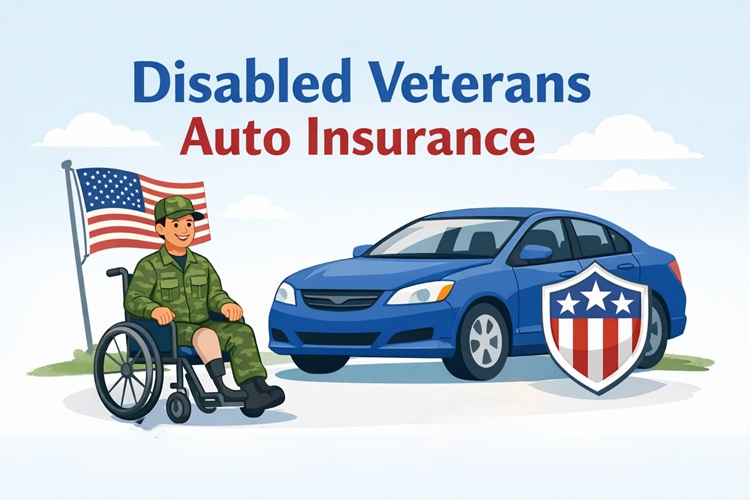
Auto insurance is a necessary part of daily life for most drivers, including disabled veterans who rely on personal vehicles for work, medical appointments, family responsibilities, and community engagement.
- James
- 2026-01-07
While auto insurance laws apply equally to all drivers, disabled veterans often face unique circumstances that can influence coverage needs, eligibility considerations, and policy structures. Understanding how auto insurance works in relation to disability status can help veterans make informed decisions and better navigate available options.
Understanding Auto Insurance Basics for Disabled Veterans
Auto insurance is designed to provide financial protection against accidents, property damage, and liability risks. Standard policies typically include liability coverage, collision coverage, comprehensive protection, uninsured motorist coverage, and personal injury protection. Disabled veterans are generally subject to the same insurance requirements as other drivers, but individual factors such as vehicle modifications, medical conditions, and driving frequency may affect policy considerations.
Disability status alone does not determine auto insurance eligibility. Instead, insurers typically evaluate driving history, vehicle type, location, and risk factors. However, disabled veterans may encounter specific scenarios—such as adaptive equipment installations—that require additional documentation or coverage clarification.
How Disability Status Can Influence Auto Insurance Policies
A common misconception is that having a disability automatically increases auto insurance costs. In reality, insurers focus on driving behavior and claims history rather than disability classification. Many disabled veterans maintain excellent driving records, which can positively influence policy evaluations.
That said, certain medical conditions may require disclosure if they affect driving ability. This is often regulated by state motor vehicle departments rather than insurance companies. Veterans who use adaptive driving equipment may need to ensure their policy accounts for the value of these modifications, as standard coverage may not automatically include them.
Vehicle Modifications and Coverage Considerations
Many disabled veterans rely on modified vehicles equipped with hand controls, wheelchair lifts, steering aids, or pedal adjustments. These modifications can be costly and are not always covered under basic auto insurance policies.
Understanding how insurers classify adaptive equipment is essential. Some policies treat modifications as custom equipment, requiring additional coverage endorsements. Ensuring accurate valuation of these features helps prevent coverage gaps in the event of damage or theft.
State Regulations and Veteran-Specific Programs
Auto insurance regulations vary by state, and some states offer special considerations for veterans, including fee reductions, registration benefits, or exemptions related to disability ratings. These programs are typically administered through state agencies rather than insurance providers.
Disabled veterans may also qualify for certain driving privileges, such as specialized license plates or parking accommodations, which can indirectly affect vehicle use patterns and insurance considerations. Staying informed about state-level policies helps veterans remain compliant while maximizing available benefits.
Medical Fitness, Licensing, and Insurance Implications
Driver’s license eligibility is managed by state authorities, and some medical conditions require periodic evaluations to confirm driving fitness. These assessments are separate from insurance underwriting but can influence policy continuity if licensing status changes.
Veterans managing service-connected disabilities are encouraged to maintain up-to-date medical documentation and follow state reporting requirements. Transparency helps avoid complications related to coverage validity and claims processing.
Financial Considerations and Cost Awareness
Auto insurance costs are influenced by multiple factors, including location, mileage, vehicle type, and claims history. Disabled veterans who drive fewer miles annually or use vehicles primarily for essential travel may fall into usage categories that some insurers evaluate differently.
Understanding how usage patterns affect premiums can help veterans anticipate policy adjustments. Reviewing coverage details regularly ensures alignment with current needs, especially when health conditions or mobility requirements change.
The Importance of Policy Review and Documentation
Regular policy reviews are beneficial for all drivers, but especially for disabled veterans whose circumstances may evolve over time. Changes in disability rating, vehicle equipment, or driving habits should be reflected accurately in insurance records.
Keeping detailed documentation of vehicle modifications, medical clearances, and licensing updates can simplify communication with insurers and reduce potential disputes during claims.
Staying Informed in a Changing Insurance Landscape
The auto insurance industry continues to evolve with advancements in vehicle technology, telematics, and regulatory updates. Disabled veterans benefit from staying informed about how these changes may impact coverage structures, pricing models, and policy requirements.
Educational resources, veteran support organizations, and state motor vehicle departments can provide valuable guidance without promoting specific products or providers.
Conclusion
Disabled veterans auto insurance is not a separate category of coverage but rather a set of considerations within standard auto insurance frameworks. By understanding how disability status, vehicle modifications, state regulations, and personal driving factors interact, veterans can approach auto insurance with greater confidence and clarity.
An informed perspective empowers disabled veterans to navigate insurance requirements responsibly while ensuring their vehicles and mobility needs are adequately protected—supporting independence, safety, and peace of mind.