
The Side Effects of Not Eating Enough Protein
Protein is among the most crucial macronutrients in the preservation of general health and vitality. It is the basis of muscles, tissues, enzymes, hormones and immune cells and is a major part of almost all biological processes. Although carbohydrates and fats are the usual focus of most diets, a lack of protein in your food can cause a cascade of health problems that impact not only your health.
- James
- 2025-04-02
When your body does not get the required amount of protein, it starts to cannibalize itself- especially the muscle- to meet the shortage. This may lead to muscle wasting, exhaustion, slow recovery and low immunity in the long run. In order to have a healthy, strong and active body, one should make sure that they satisfy their daily protein needs with the help of a balanced diet that will consist of lean meats, dairy, legumes, nuts, and plant-based foods.
The following are the significant side effects of a lack of protein:
Muscle Loss and Weakness
The building block that is muscle is protein, and once you do not get sufficient protein, then your body will begin to decompose muscle tissue to sustain its protein requirements. This causes a progressive loss of muscle, loss of strength, and decrease in endurance.
This may result in a conspicuous physical weakness with time, which will be difficult to carry out even simple activities such as climbing stairs and carrying groceries. In the older population, the danger is further increased - a long-term lack of proteins may lead to the state of sarcopenia, which is characterized by extreme muscle loss and weakness. Eating the right amount of protein on a regular basis will help keep your muscles strong, post-exercise recovery and provide mobility during your later years.
Slow Recovery from Injuries
Protein is essential in cell regeneration, tissue repairing and wound healing. In case you do not get enough protein in your diet, there will be no materials available to your body to repair broken tissues. This implies that it will take a long time before the injuries, cuts or surgical wounds are healed.
Moreover, lack of protein may affect the resistance of the body against infections which on rare occasions may arise in the process of recovery. This process is slow to heal, and increases the risk of infection and this can make recovery more uncomfortable and prolonged especially in athletes, old age or in someone recovering after a surgical procedure.
Hair Loss, Splintered Nails, and Skin Problems.
Structural proteins like keratin, collagen, and elastin are the major components of your skin, hair and nails. These tissues start manifesting the signs of inadequacy when there is a shortage of protein in your diet.
Common symptoms include:
Hair thinning or too much hair fall.
Brittle and weak nails which break or peel easily.
Shriveled, cracked, or desiccated skin which becomes loose and non-elastic.
Extended protein deficiency also contributes to the deterioration of the collagen production that hastens aging creating wrinkles and sags to the skin. Having a rich protein diet does not only take care of internal well-being but the skin remains young and glowing.
Weakened Immune System
The protein is also majorly used in the production of antibodies, enzymes and immune cells to safeguard the body against the virus, bacteria and infections. Your immune efficiency decreases in association with a decrease in protein intake.
Having a weakened immune system predisposes you to the frequent diseases such as colds, flu and other infections. Furthermore, when the body gets ill, it is not able to recuperate fast because it does not have enough protein to develop and regenerate immune cells. Having adequate amounts of protein-rich foods will enable your immune system to stay strong and robust all through the year.
Hunger and Cravings of Food
Protein is very crucial in the control of appetite which helps in satiating blood sugar levels. Lack of protein leads to increased hunger in you, you tend to have cravings to eat something sweet or rich in fats.
This may lead to excessive weight gain and eating too many calories even though the body takes in more calories. Eating more proteins in meals will make you feel fuller and longer, make you control portion size, and keep your metabolism healthy all day long.
Exhaustion and Diminished Vitality
Low protein intake may also be manifested by being always fatigued or unmotivated. Proteins also play a crucial role in the synthesis of enzymes and hormones to control energy metabolism. When your food lacks proteins, your body has difficulties in processing nutrients into usable energy.
Consequently, you are likely to have constant fatigue, lack of concentration, and lethargy during the day. Excluding protein in your diet can help you maintain consistent energy levels, increase concentration and ensure your body runs at its best.
Edema (Swelling)
When there is a severe case of protein deficiency, the body may develop edema which is swelling of the body as a result of water retention in the body tissues; especially to the legs, feet, hands or face. This is due to the fact that proteins like albumin are involved in ensuring that there is an appropriate fluid balance in the blood and tissues.
The body is unable to retain fluids in the blood when the protein levels are low leading to leaking in the tissues. An extreme case of malnutrition is commonly accompanied with edema, which is to be treated on a case-by-case basis, under a doctor's supervision.
Poor Bone Health and Increased Risk of Fractures
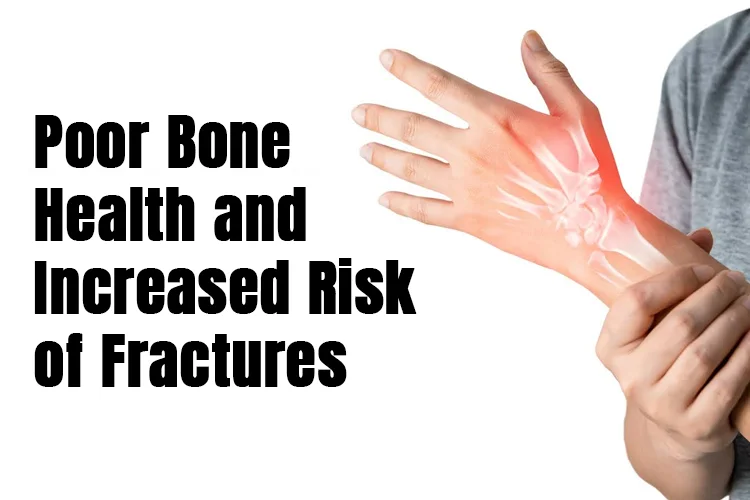
Protein is essential not only to muscles, but it is also necessary to strong and healthy bones. It aids the absorption of calcium and bone density. Prolonged deficiency of protein may result in bones that are weaker making them more susceptible to osteoporosis and fracture particularly in elderly people.
Protein, calcium, and vitamin D should be taken in equal amounts to maintain bone strength and avoid skeletal disorders in the future.
Final Thoughts
Protein is not just a muscle building nutrient, but a backbone to the entire body, and it affects not only metabolism and immune system but also skin radiance and clear thinking. Cutting on protein or not eating the recommended amounts of your body can impact on your strength, appearance, and energy in the long run, without you knowing.